
Flooring Installed Over Stable Subfloors for Daily Use
Flooring Services in Buffalo for renovations requiring durable surfaces prepared and finished for long-term traffic
MD Construction offers flooring services in Buffalo for homeowners renovating kitchens, bathrooms, or entire living spaces where new flooring must be installed over properly prepared subfloors that resist movement and moisture. You need this work when your old flooring has worn through to the underlayment, or when a remodel includes replacing tile or hardwood with a material better suited to the way your household uses the space. The work involves removing existing flooring down to the subfloor, repairing or replacing damaged sections, and installing the new surface with attention to expansion gaps, transitions, and clean edges along walls and doorways.
Subfloor preparation begins with inspecting plywood or OSB for soft spots, water damage, or squeaks caused by loose fasteners, and securing or replacing panels as needed to create a solid, level base. Underlayment is installed if the flooring requires it, and seams are staggered to prevent telegraphing through the finished surface. Installation methods vary by material: hardwood is nailed or stapled with fasteners set below the surface, luxury vinyl plank floats over underlayment with click-lock edges, and tile is set in thinset with spacers to maintain consistent grout lines. Trimwork and transitions are cut to fit doorways and adjoining rooms, and edges are caulked or finished to prevent moisture intrusion or tripping hazards.
If your renovation includes new flooring for high-traffic areas or rooms where durability and appearance matter equally, reach out to discuss material options and coordinate installation timing in Buffalo.
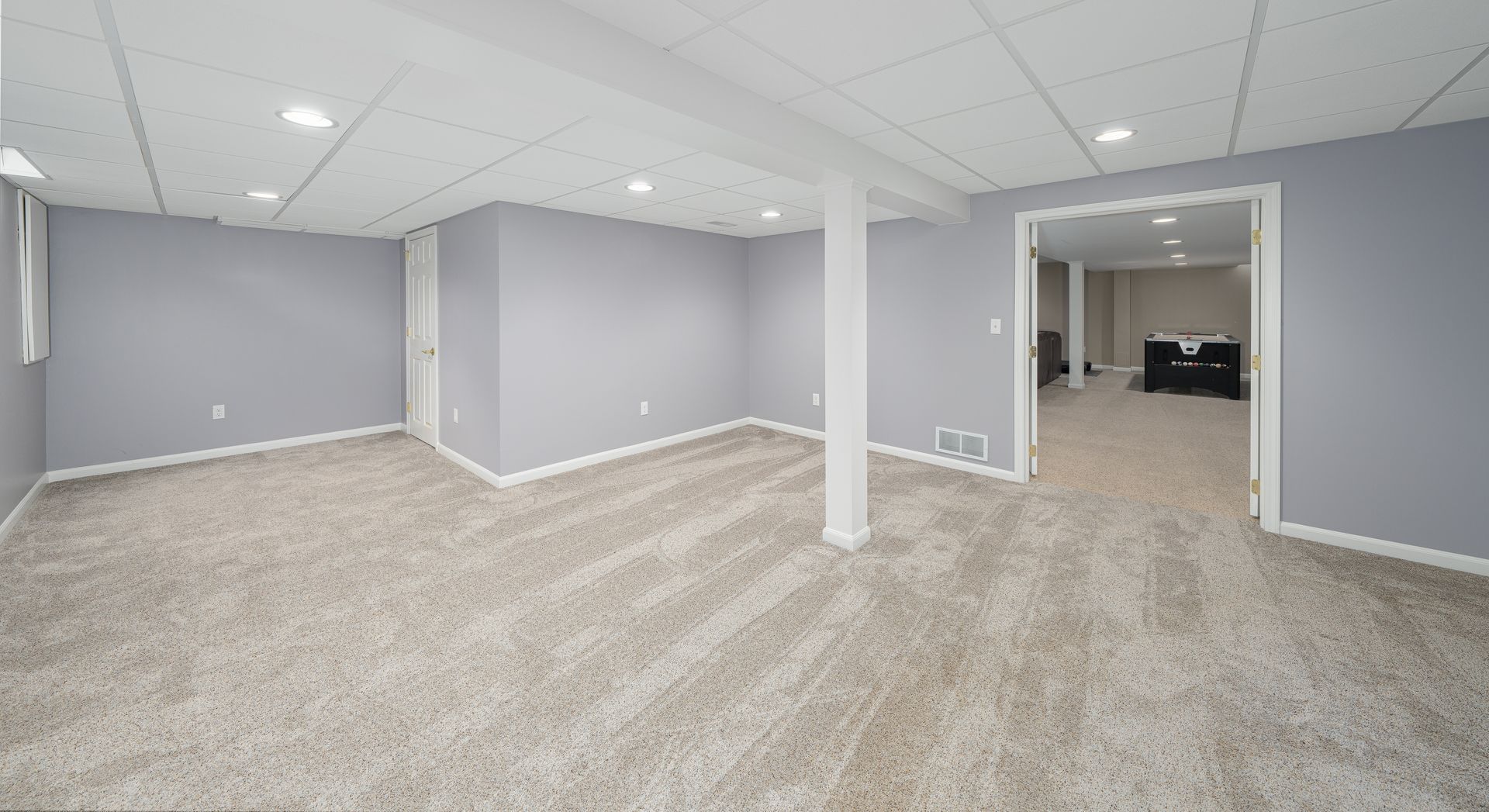
How Subfloors Are Prepared and Surfaces Installed
You will see the existing flooring removed with pry bars and scrapers, and fasteners pulled or cut flush so the subfloor is clean and smooth before new material goes down. Any damaged plywood is replaced, and screws are driven through the subfloor into joists below to eliminate movement that can cause squeaks or cracks in the finished floor. Underlayment is rolled out and seams are taped, or felt paper is laid under hardwood to reduce noise and allow for minor movement.
After installation, you will notice a floor that feels solid underfoot, with no gaps at walls or visible movement between boards or planks. MD Construction leaves expansion space around the perimeter and at transitions, ensuring the floor can expand and contract with seasonal humidity changes without buckling or cupping. The result is a finished surface that handles foot traffic, furniture weight, and daily spills without showing immediate signs of wear or damage.
The timeline depends on the size of the area and the flooring material, with most single-room installations taking two to three days including subfloor work and finishing. Whole-home projects are scheduled in phases to minimize disruption, and furniture is moved back into place once the floor has acclimated and any adhesive or finish has fully cured. Carpet installation, refinishing existing hardwood, and custom inlay work are not included but can be arranged if your project requires those services.
Questions Homeowners Ask About Flooring Installation
You may want to know how material choices affect performance and what preparation steps ensure a durable installation in Buffalo homes.
What flooring works best in high-traffic areas?
Luxury vinyl plank and engineered hardwood resist scratches and dents better than solid hardwood, and both perform well in kitchens and hallways where foot traffic is constant.
How do you prevent moisture damage to subfloors?
Subfloors are inspected for water stains or soft spots before installation, and any damaged sections are replaced to prevent future issues with mold or structural weakness.
When should flooring be installed during a renovation?
Flooring goes in after drywall, painting, and cabinetry are complete to avoid damage from other trades, but before final trim and fixtures are installed.
Why does acclimation matter for wood flooring?
Wood flooring needs time to adjust to the humidity and temperature in your home before installation, reducing the risk of expansion or contraction that can cause gaps or buckling.
How are transitions handled between different flooring types?
Transition strips are cut to fit doorways and changes in floor height, providing a clean edge that prevents tripping and protects the flooring from moisture or damage at the seam.
MD Construction installs flooring throughout Buffalo with focus on subfloor stability, material-specific methods, and clean finishing. If your renovation includes kitchens, bathrooms, or living areas that need durable, well-installed flooring, contact us to review your options and schedule the work.