Protect Your Home From Snow and Wind
Roofing in Buffalo for homes facing heavy snow loads, ice damage, and wind exposure
MD Construction provides roofing services in Buffalo and surrounding areas for homeowners who need durable systems capable of managing the weight of accumulated snow, the stress of freeze-thaw cycles, and the impact of seasonal wind events. Your roof takes direct exposure to lake-effect snow, ice dam formation along eaves, and rapid temperature swings that cause shingles to crack and fasteners to loosen. A well-installed roof system sheds water quickly, resists uplift during windstorms, and maintains structural integrity under the weight of heavy winter snow.
We install asphalt shingle systems rated for the climate conditions common across Western New York, including materials selected for their resistance to thermal cycling and moisture infiltration. Each installation includes inspection of roof deck sheathing, replacement of damaged plywood or OSB panels, installation of ice and water barrier at eaves and valleys, and proper ventilation to reduce heat buildup in the attic space. Flashing around chimneys, skylights, and vent pipes is sealed and mechanically fastened to prevent water entry during wind-driven rain and snowmelt. Shingles are nailed according to manufacturer specifications to resist wind speeds typical of the region.
If your roof is showing signs of wear or you need an assessment after a storm, reach out to discuss a full inspection and written estimate.
What Happens During a Roofing Project
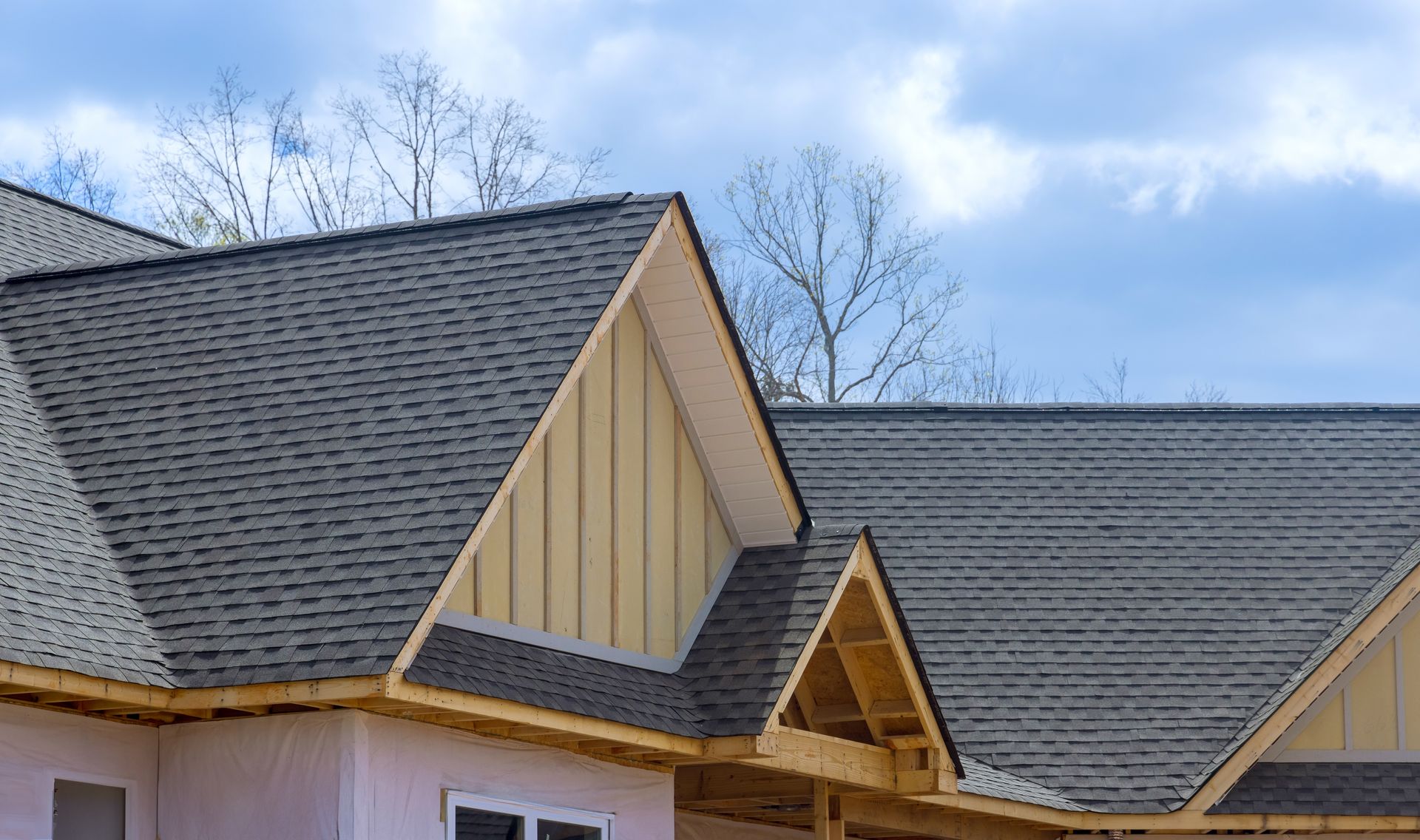
You receive a detailed estimate that outlines material type, color options, project duration, and warranty coverage before any work begins. The crew removes old shingles down to the deck, inspects for soft spots or rot, and replaces sections that no longer provide a stable nailing surface. Underlayment is rolled out across the entire roof, with self-adhering membrane applied in vulnerable areas where water tends to back up under shingles during freeze and thaw cycles.
Once the new shingles are installed, you will notice improved water runoff, elimination of interior ceiling stains, and a uniform appearance across all roof planes. MD Construction ensures that ridge vents are properly aligned, starter strips are installed along eaves to prevent blow-off, and all penetrations are flashed and sealed to resist wind-driven moisture. The finished roof provides a weathertight barrier that handles the demands of lake-effect snow and seasonal temperature swings without premature failure.
Each project includes cleanup of all debris, removal of old materials from the property, and a walkthrough to confirm that gutters are clear and downspouts are directing water away from the foundation. We do not handle interior drywall repair or insulation upgrades, but we coordinate timing with other trades if structural work is required before roofing begins.
Common Questions About Roofing Work
Homeowners in Buffalo often ask about timing, materials, and what to expect during installation, especially given the short construction season and weather-related delays.
What type of shingle works best in this climate?
Asphalt shingles with a high wind rating and impact resistance perform well under snow load and ice exposure, and they are available in a range of colors that match traditional and contemporary home styles.
How long does a roofing project take?
Most residential roofs are completed in one to three days depending on size, pitch, and the condition of the existing deck, though weather can extend the schedule during fall and spring.
When should I replace instead of repair?
If more than one third of your roof shows damage, if the shingles are past their rated lifespan, or if leaks appear in multiple locations, replacement is typically more cost-effective than ongoing repairs.
Why does the deck need inspection before shingles go on?
A compromised deck will not hold fasteners securely, which leads to shingle blow-off during windstorms and allows moisture to reach the framing and insulation below.
What happens if it rains during the project?
Tarps and temporary coverings are used to protect exposed areas, and installation is paused during active precipitation to prevent moisture from becoming trapped under new materials.
If you are planning a roofing project or need to address storm damage before the next snow season, contact MD Construction to schedule an inspection and receive a written estimate based on your home's specific layout and material preferences.